
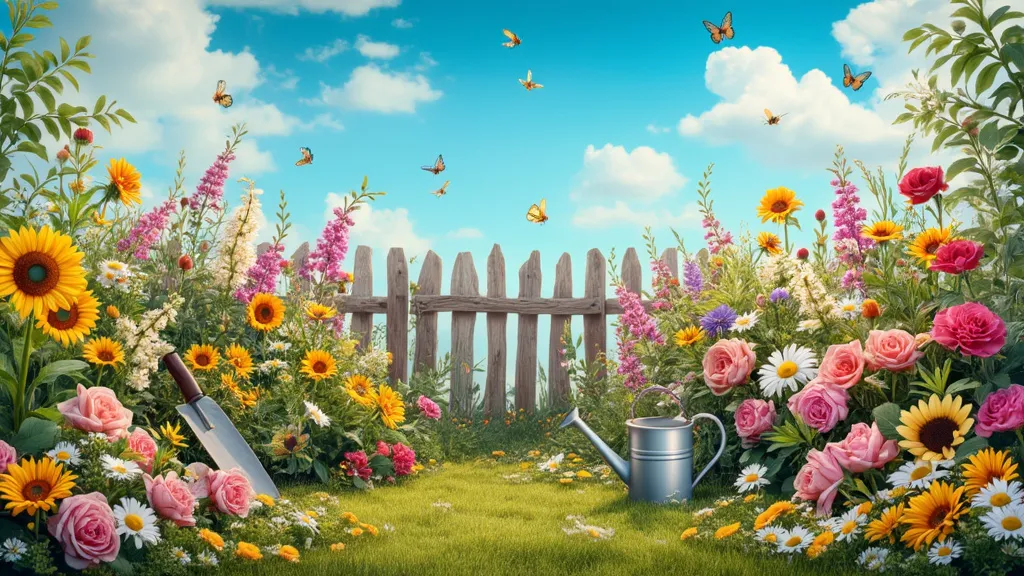
Creating a stunning cut flower garden from scratch is an exhilarating journey that not only beautifies your space but also provides you with a bounty of flowers for arrangements, gifts, or simply to enjoy indoors. Whether you are a seasoned gardener or a beginner, this guide will provide you with the essential steps to establish and maintain a flourishing cut flower garden.
Understanding the Basics of Cut Flower Gardening
Before diving into the practical steps, it's crucial to understand what a cut flower garden entails.
What is a Cut Flower Garden?
A cut flower garden is a dedicated space where flowers are grown specifically for cutting and using in floral arrangements. Unlike typical flower beds, the focus here is on producing blooms that can be harvested without harming the plant's health and longevity.
Benefits of Growing a Cut Flower Garden
- Visual Appeal: Transform your outdoor space into a colorful and fragrant paradise.
- Sustainability: Growing your own flowers reduces reliance on store-bought floral arrangements.
- Cost-Effective: Save money by cultivating your own flowers for events and decorating your home.
- Therapeutic: Gardening has been shown to reduce stress and improve mental well-being.
Planning Your Cut Flower Garden
1. Choose the Right Location
Selecting the appropriate site for your garden is crucial for success.
- Sunlight: Most flowers require at least 6-8 hours of direct sunlight daily.
- Soil Quality: Well-draining, fertile soil is ideal. Consider testing your soil to determine pH and nutrient levels.
- Accessibility: Ensure your garden is easily accessible for maintenance and cutting flowers.
2. Design Your Garden Layout
A well-planned layout can enhance both aesthetics and functionality.
- Dimensions: Decide on the size of your garden based on available space and your flower needs.
- Plant Spacing: Consider the mature size of your plants to avoid overcrowding.
- Flower Height: Arrange taller flowers at the back and shorter varieties at the front for visibility and ease of cutting.
3. Choosing the Right Flowers
Selecting the right flowers is a paramount step. Here are some popular choices for cut flower gardens:
-
Annuals:
- Zinnias
- Sunflowers
- Cosmos
- Marigolds
-
Perennials:
- Peonies
- Echinacea (Coneflower)
- Lavender
- Delphiniums
-
Bulbs:
- Tulips
- Daffodils
- Lilies
4. Consider Seasonal Blooms
To ensure a continuous supply of flowers throughout the growing season, select a variety of plants that bloom at different times:
- Early Spring: Daffodils, Tulips
- Late Spring/Early Summer: Peonies, Iris
- Mid-Summer: Sunflowers, Zinnias, Dahlia
- Fall: Asters, Mums
Preparing the Soil
1. Soil Testing
Testing your soil will help you understand its pH and nutrient levels. This information is essential for amending the soil accordingly.
2. Amending the Soil
Once you know your soil's condition, you may need to amend it with:
- Compost: Improves soil structure and provides nutrients.
- Organic Fertilizers: Boosts nutrient availability.
- Mulch: Helps retain moisture and suppress weeds.
3. Tilling the Soil
Tilling helps to aerate the soil, making it easier for roots to grow. Use a garden fork or tiller to break up compacted soil. Aim for a depth of at least 12 inches.
Planting Your Flowers
1. Timing
Timing is critical for planting. Most flowers should be sown after the last frost in your area. Check your local USDA hardiness zone for specific dates.
2. Planting Techniques
- Seed Sowing: Follow the packet instructions for depth and spacing.
- Transplanting: If using seedlings, plant them at the same depth they were in their previous containers.
3. Watering
Immediately after planting, give your flowers a thorough watering. Keep the soil consistently moist but not soggy, especially during the first few weeks.
Maintaining Your Cut Flower Garden
1. Regular Watering
- Water deeply and infrequently to encourage deep root growth.
- Consider using a drip irrigation system for efficiency.
2. Weeding
Regular weeding is essential to prevent competition for nutrients and water.
3. Pest and Disease Management
Monitor your plants for common pests such as aphids or spider mites. Use organic pest control methods like neem oil or insecticidal soap.
4. Fertilization
Feed your flowers with a balanced fertilizer every 4-6 weeks during the growing season to promote healthy growth.
Harvesting Your Flowers
1. Best Time to Cut
The best time to cut flowers is early in the morning or late in the afternoon when temperatures are cooler.
2. Cutting Techniques
- Use sharp, clean scissors or shears to avoid damaging the plant.
- Cut at an angle to allow for better water uptake.
- Harvest flowers when they are just starting to bloom for longer vase life.
3. Post-Harvest Care
- Place cut flowers in water immediately.
- Remove any leaves that will be submerged in water to prevent rot.
To sum up
Creating a stunning cut flower garden from scratch requires careful planning, dedication, and a bit of patience. However, the rewards—beautiful blooms, a sense of accomplishment, and the joy of sharing your flowers—are well worth the effort. With this guide, you're on your way to cultivating a vibrant and thriving cut flower garden that will bring beauty and joy to your life for years to come. Happy gardening!