
Understanding Soil pH: The Key to Healthy Flowers
Soil pH is one of the most critical factors in gardening and agriculture, especially for flower cultivation. For enthusiasts and professionals alike, understanding soil pH can be the difference between vibrant, thriving flowers and lackluster blooms. This article will delve into what soil pH is, why it matters, how to measure it, and how to amend it for optimal flower growth.
What is Soil pH?
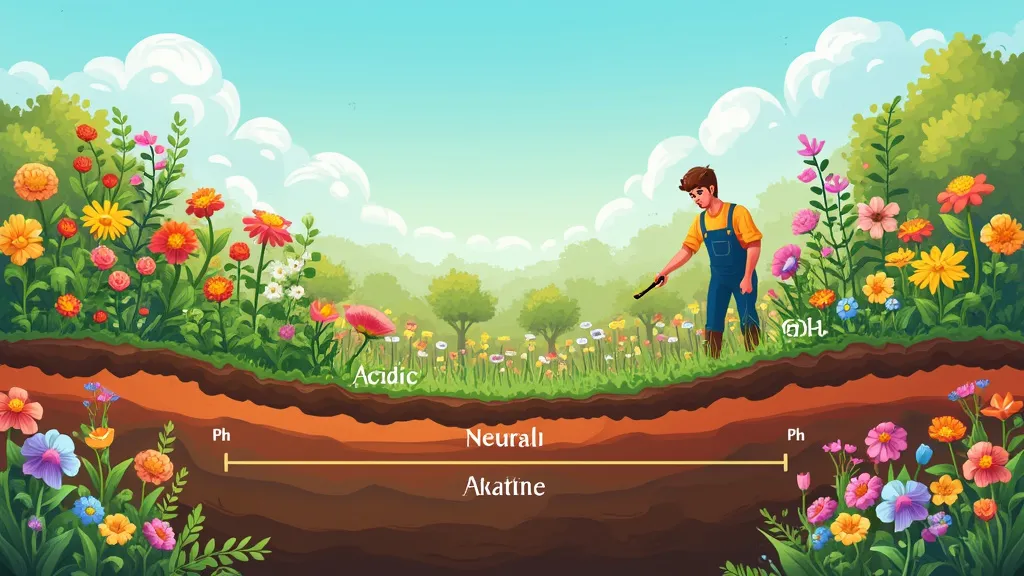
Soil pH is a numerical scale that measures the acidity or alkalinity of soil. The scale ranges from 0 to 14:
- 0-6: Acidic soil
- 7: Neutral soil
- 8-14: Alkaline soil
The pH level affects nutrient availability, microbial activity, and overall soil health. Most plants prefer a pH range of 6.0 to 7.5, but some flowers have specific pH preferences.
Why Does Soil pH Matter?
Understanding soil pH is vital for several reasons:
Nutrient Availability
The pH level of soil affects how well plants can absorb essential nutrients. Some nutrients are more available at certain pH levels:
- Acidic Soils: Iron, manganese, and aluminum are more available, but calcium and magnesium may be limited.
- Alkaline Soils: Calcium and magnesium are abundant, while iron, zinc, and phosphorus may become deficient.
Microbial Activity
Soil pH influences the types of microorganisms present in the soil. Beneficial microbes that help decompose organic matter and fix nitrogen thrive in a neutral to slightly acidic environment. If the soil is too acidic or alkaline, these organisms may struggle to survive.
Plant Health
Extreme pH levels can stress plants, leading to stunted growth, poor flowering, or even death. For example:
- Too Acidic: Plants may develop chlorosis, where leaves turn yellow due to nutrient deficiencies.
- Too Alkaline: Plants may exhibit poor growth, and flowers may not bloom as expected.
Measuring Soil pH
Measuring soil pH is straightforward and can be done using several methods:
pH Test Kits
-
Soil pH Test Kits: These kits are available at garden centers and provide a simple way to determine soil pH. They usually involve mixing soil with a testing solution and comparing the resulting color to a pH chart.
Digital pH Meters
-
Digital pH Meters: These devices give a more accurate reading and are easy to use. Simply insert the probe into the soil, and the meter provides an instant pH reading.
Laboratory Testing
- Soil Samples: For more comprehensive analysis, soil samples can be sent to a laboratory. This method provides detailed information about pH and nutrient levels, organic matter content, and soil texture.
Amending Soil pH
If your soil pH is not ideal for your flowers, don’t worry! There are several methods to amend it.
Lowering Soil pH (Making Soil More Acidic)
If your flowers prefer acidic soil, consider the following amendments:
- Sulfur: Elemental sulfur can be added to the soil, which will lower pH as it oxidizes.
- Organic Matter: Adding organic materials like peat moss can help lower pH over time.
- Coffee Grounds: Used coffee grounds can slightly acidify the soil while also adding organic matter.
Raising Soil pH (Making Soil More Alkaline)
If your soil is too acidic for your flowers, you can raise the pH with these amendments:
- Lime: Agricultural lime (calcium carbonate) is the most common amendment to increase soil pH.
- Wood Ash: A natural source of potassium and calcium carbonate, wood ash can help raise pH levels.
- Bone Meal: This organic fertilizer is high in calcium and can help increase alkalinity.
Monitoring Soil pH
After amending the soil, it’s essential to monitor the pH regularly. Re-test the soil every six months to ensure that the pH is within the desired range for your flowers. Adjustments may take time, so patience is key!
Flower-Specific pH Preferences
Different flowers have different pH preferences. Here are a few examples:
- Rhododendrons and Azaleas: Prefer acidic soil (pH 4.5 – 6.0).
- Lavender: Thrives in alkaline soil (pH 7.0 – 8.0).
- Daylilies: Prefer neutral to slightly acidic soil (pH 6.0 – 7.0).
- Hydrangeas: The color of hydrangea blooms can change based on soil pH; they produce blue flowers in acidic soil and pink flowers in alkaline soil.
To sum up
Understanding soil pH is essential for anyone looking to cultivate beautiful flowers. By measuring, amending, and monitoring soil pH, you can create the ideal environment for your plants. Remember that each flower species has its unique preferences, so always research before planting. With the right care and attention to soil pH, your garden can flourish with vibrant blooms, transforming your outdoor space into a colorful paradise. Happy gardening!