
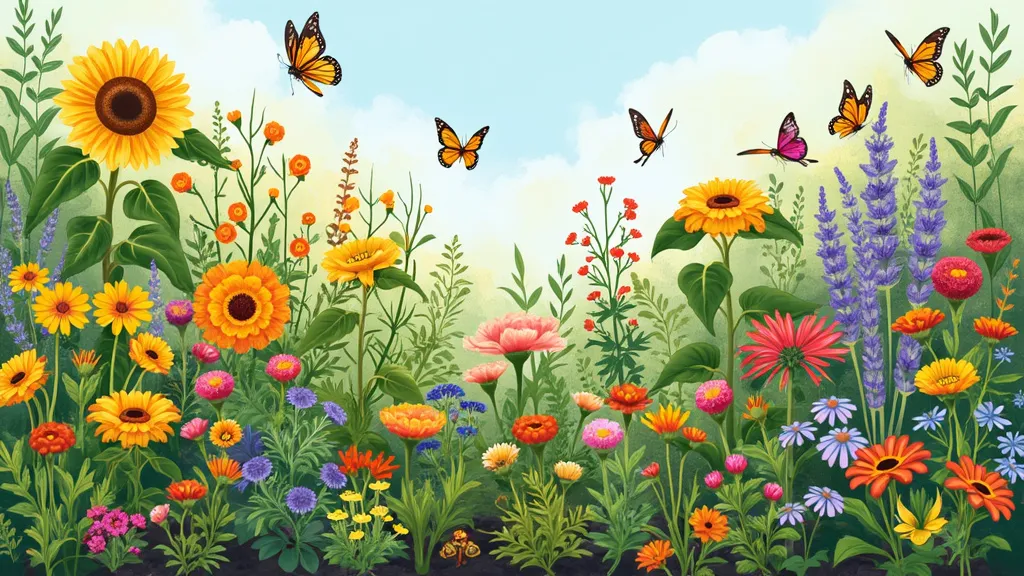
Intro to Companion Planting
Companion planting is a gardening technique that involves growing different plants together for mutual benefits. This method can enhance growth, deter pests, and improve the overall health of your garden. For those interested in cultivating a stunning cut flower garden, understanding the principles of companion planting can elevate your floral arrangements while promoting a sustainable ecosystem.
Benefits of Companion Planting
- Pest Control: Certain plants can repel pests that might otherwise damage your cut flowers.
- Improved Growth: Some plants can enhance each other's growth through nutrient uptake or providing shade.
- Enhanced Flavor and Aroma: Companion plants can improve the fragrance and flavor of flowers, making them more appealing in arrangements.
- Attracting Beneficial Insects: Companion planting can attract pollinators and other beneficial insects that support healthy plant growth.
Key Principles of Companion Planting
- Mutual Benefit: Choose plants that provide advantages to each other.
- Diversity: A diverse garden can reduce disease and pest outbreaks.
- Seasonality: Consider the growth cycles of your chosen plants to ensure they coexist well.
- Soil Compatibility: Some plants enjoy similar soil conditions, while others may alter the soil chemistry.
Popular Companion Plants for Cut Flowers
When considering companion planting for cut flowers, it’s essential to select pairings that will thrive together. Here are some popular combinations to enhance your cut flower garden:
Sunflowers and Basil
-
Benefits: Sunflowers attract pollinators while basil repels pests like aphids and whiteflies.
-
Growth Considerations: Both plants thrive in full sun and well-drained soil.
Zinnias and Marigolds
-
Benefits: Marigolds are known for repelling nematodes and other pests that can harm zinnias.
-
Growth Considerations: Both prefer warm weather and can handle drought conditions.
Cosmos and Dill
- Benefits: Dill attracts beneficial insects such as ladybugs and lacewings, which help control pests affecting cosmos.
- Growth Considerations: Both enjoy similar growing conditions, thriving in full sun and well-drained soil.
Peonies and Catmint
- Benefits: Catmint acts as a pest deterrent for peonies, while peonies provide a beautiful backdrop.
- Growth Considerations: Both plants prefer well-drained soil and moderate watering.
Essential Cut Flower Varieties and Their Companions
Choosing the right companion plants can enhance the beauty and longevity of your cut flowers. Here are some essential cut flower varieties along with their ideal companions:
Roses
- Companions: Garlic, chives, and marigolds.
- Why: These plants repel aphids and other pests that commonly attack roses.
Dahlias
- Companions: Alliums and nasturtiums.
- Why: Alliums deter beetles, and nasturtiums attract aphids away from dahlias.
Lilies
- Companions: Basil and thyme.
- Why: These herbs can improve the flavor and fragrance of lilies while providing pest control.
Gladiolus
- Companions: Beans and corn.
- Why: Beans can fix nitrogen in the soil, benefiting the nutrient needs of gladiolus.
Tips for Successful Companion Planting
- Plan Your Layout: Before planting, sketch a layout of your garden to visualize where each plant will go.
- Rotate Crops: Practice crop rotation each season to prevent soil depletion and reduce pest issues.
- Monitor Growth: Keep an eye on how companion plants interact throughout the growing season.
- Start Small: If you’re new to companion planting, begin with a few plants and combinations before expanding your garden.
Creating a Sustainable Garden
Companion planting not only enhances the beauty of your cut flower garden but also contributes to a more sustainable gardening practice. By fostering a diverse ecosystem, you can reduce the need for chemical fertilizers and pesticides, supporting both the environment and your local wildlife.
Tips for Sustainability
- Use Organic Seeds: Choose organic seeds for your cut flowers and companion plants to maintain a chemical-free garden.
- Compost: Incorporate compost to enrich the soil naturally.
- Water Wisely: Use drip irrigation or soaker hoses to minimize water waste.
To sum up
Companion planting offers a holistic approach to creating a vibrant cut flower garden. By understanding the relationships between different plants, you can enjoy the aesthetic and aromatic benefits of your blooms while promoting a healthy garden ecosystem. Whether you're looking to attract beneficial insects, deter pests, or simply enhance the beauty of your arrangements, companion planting is a valuable technique to consider. Embrace the art of planting in harmony, and watch your cut flower garden flourish!