
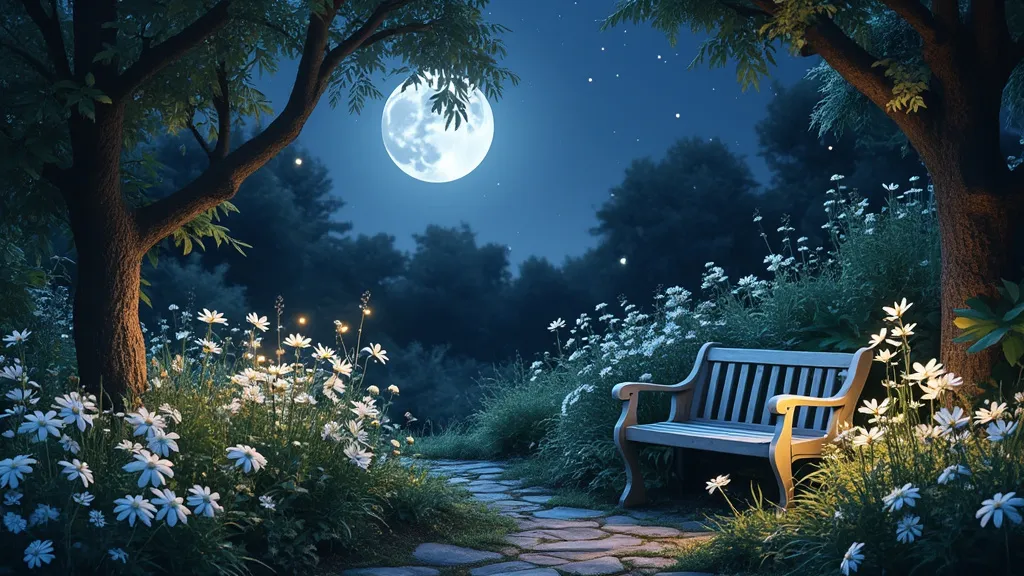
Intro to Moon Gardens
A moon garden is a unique and enchanting landscape designed to thrive in the soft glow of the moonlight. Unlike traditional gardens that rely on vibrant colors and sunlight, moon gardens focus on white and silver plants, especially those that bloom at night. The idea is to create a serene, tranquil space that offers beauty and calm during the evening hours.
Why Choose a Moon Garden?
- Serenity and Tranquility: Moon gardens provide a peaceful retreat where you can unwind and connect with nature.
- Nighttime Aesthetics: These gardens are visually stunning when illuminated by moonlight, creating a magical atmosphere.
- Scent and Sensation: Many night-blooming flowers are fragrant, enhancing your garden's sensory experience after dark.
- Wildlife Attraction: A moon garden can attract nocturnal pollinators, such as moths and bats, contributing to the local ecosystem.
Planning Your Moon Garden
Choosing the Right Location
Selecting an appropriate site for your moon garden is crucial. Consider the following factors:
- Sunlight Exposure: While moon gardens thrive in low light, they should receive some sunlight during the day. Choose a location that has dappled sunlight or partial shade.
- Accessibility: Ensure your garden is easily accessible for nighttime visits. Consider pathways or seating areas.
- Viewpoint: Position your garden where it can be enjoyed from a window or patio, especially for those cozy nights spent outside.
Designing the Layout
Key Elements of Moon Garden Design:
- Curved Paths: Create meandering paths to enhance the sense of exploration.
- Layering Heights: Incorporate plants of varying heights to add depth and dimension.
- Seating Areas: Include benches or seating spots for relaxation under the moonlight.
- Reflective Surfaces: Consider adding water features or mirrors to amplify the moonlight.
Selecting White Night-Blooming Flowers
Choosing the right plants is essential for creating a stunning moon garden. Here’s a list of some beautiful white night-bloomers to consider:
1. Moonflower (Ipomoea alba)
- Description: Large, fragrant white flowers that open at dusk.
- Growth Habit: Climbing vine, allowing it to cover trellises or fences.
- Scent: Sweetly fragrant, attracting nighttime pollinators.
2. Night-Blooming Jasmine (Cestrum nocturnum)
- Description: Small, tubular white flowers that emit a strong, sweet fragrance.
- Growth Habit: Shrub that can grow up to 6 feet tall.
- Scent: The aroma intensifies at night, creating a captivating atmosphere.
3. Evening Primrose (Oenothera biennis)
- Description: Pale yellow to white flowers that bloom in the evening.
- Growth Habit: Perennial plant that can grow up to 4 feet tall.
- Pollinators: Attracts moths and other nocturnal insects.
4. White Lilies (Lilium)
- Description: Elegant, fragrant flowers that bloom at night.
- Growth Habit: Sturdy stalks that can reach heights of 3 to 6 feet.
- Season: Typically blooms in summer, providing a stunning display.
5. Datura (Datura inoxia)
- Description: Large, trumpet-shaped white flowers that open in the evening.
- Growth Habit: Can grow as a shrub or small tree.
- Caution: All parts of the plant are toxic if ingested.
6. White Phlox (Phlox paniculata)
- Description: Clusters of white flowers that emit a subtle fragrance.
- Growth Habit: Perennial that can grow up to 4 feet tall.
- Attracts: Supports nighttime pollinators while providing visual interest.
Incorporating Other Elements
Lighting
To enhance the ambiance of your moon garden, consider the following lighting options:
- Solar Lights: Eco-friendly and easy to install, solar lights create a soft glow without overpowering the natural beauty.
- String Lights: Drape string lights along pathways or over seating areas for a whimsical touch.
- Candles: Use lanterns or candles for a romantic atmosphere, but ensure they are placed safely away from flammable materials.
Water Features
Adding water to your moon garden can enhance the tranquility and beauty:
- Ponds: Create a small pond that reflects the moonlight.
- Fountains: The gentle sound of flowing water adds to the peaceful ambiance.
- Birdbaths: Invite wildlife by placing birdbaths in the garden, encouraging nighttime visitors.
Maintenance Tips for Your Moon Garden
Creating and maintaining a moon garden requires some effort, but the rewards are worth it. Here are some tips to keep your garden thriving:
- Regular Watering: Most night-blooming plants prefer well-drained soil. Water them consistently, especially during dry spells.
- Mulching: Apply mulch to retain moisture and suppress weeds.
- Pruning: Regularly prune your plants to maintain their shape and encourage new growth.
- Fertilizing: Use organic fertilizers to promote healthy growth and blooming.
To sum up
Creating a moon garden with white night-blooming flowers is a beautiful and rewarding project. By thoughtfully selecting plants, designing a serene layout, and incorporating enchanting features, you can craft a magical space that comes alive at night. Whether you seek tranquility, a sensory experience, or an aesthetic retreat, a moon garden offers a unique way to celebrate the beauty of nature under the moonlight. Embrace the beauty of the night and transform your outdoor space into a mesmerizing haven.