
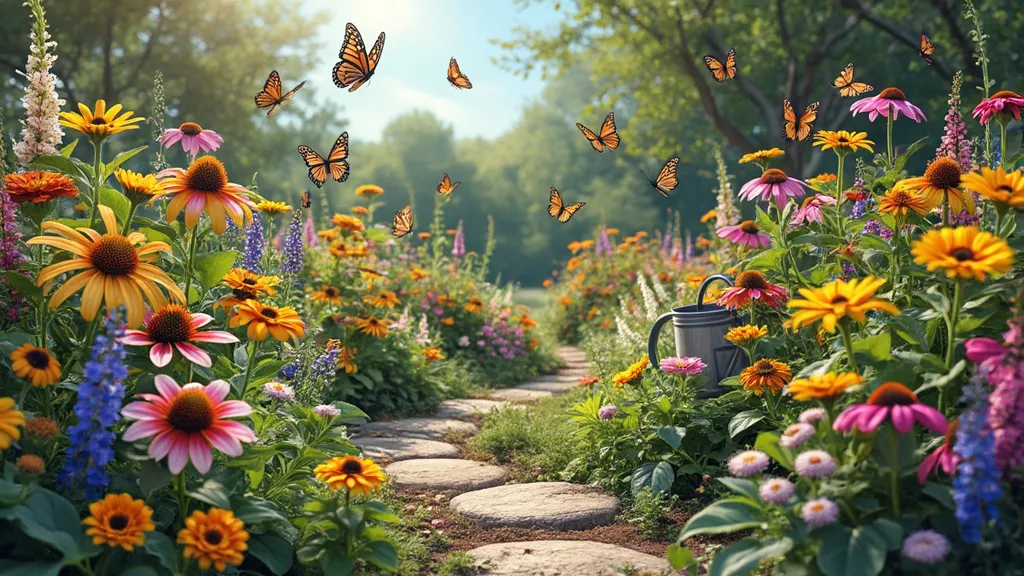
Creating a Butterfly Garden: Essential Flowers and Tips
Butterflies are not only beautiful creatures but also vital pollinators that play an essential role in our ecosystems. Creating a butterfly garden is a wonderful way to attract these lovely insects while also enhancing your outdoor space. This article will guide you through the essential flowers to plant and provide tips to ensure your butterfly garden thrives.
Why Create a Butterfly Garden?
Before diving into the specifics, let’s explore why a butterfly garden is beneficial:
- Biodiversity: Butterfly gardens contribute to the local ecosystem by supporting a variety of species.
- Pollination: Butterflies help pollinate flowers, fruits, and vegetables, improving your garden's productivity.
- Aesthetics: A garden filled with butterflies is not only visually stunning but also creates a serene environment.
- Education: Butterfly gardens can be educational for children and adults alike, offering hands-on learning about nature and ecology.
Essential Flowers for Your Butterfly Garden
To attract butterflies, you need to plant flowers that provide nectar and host plants for caterpillars. Here are some essential flowers to consider:
Nectar Plants
-
Milkweed (Asclepias spp.)
- Attracts: Monarch butterflies
- Planting Tip: Choose varieties that are native to your area for the best results.
-
Coneflower (Echinacea spp.)
- Attracts: Various butterfly species
- Planting Tip: These hardy perennials thrive in full sun and tolerate drought.
-
Butterfly Bush (Buddleja davidii)
- Attracts: Many species of butterflies
- Planting Tip: Prune after flowering to encourage bushier growth.
-
Zinnias (Zinnia spp.)
- Attracts: Swallowtails and painted ladies
- Planting Tip: These annuals bloom all summer and are easy to grow from seed.
-
Lantana (Lantana camara)
- Attracts: Various butterfly species
- Planting Tip: Thrives in hot and sunny conditions, making it great for warmer climates.
-
Black-eyed Susan (Rudbeckia hirta)
- Attracts: Various butterflies
- Planting Tip: These drought-tolerant perennials do well in poor soil.
Host Plants
Host plants are essential for the caterpillar stage of a butterfly's life cycle. Without them, butterflies cannot reproduce.
-
Milkweed (Asclepias spp.)
- Essential for: Monarch caterpillars
- Note: Plant both nectar and host varieties for a complete ecosystem.
-
Fennel (Foeniculum vulgare)
- Essential for: Swallowtail caterpillars
- Note: This herb can also be used in cooking!
-
Parsley (Petroselinum crispum)
- Essential for: Swallowtail caterpillars
- Note: Plant extra because caterpillars love to munch on it!
-
Nettle (Urtica dioica)
- Essential for: Red Admiral and Mourning Cloak caterpillars
- Note: Ensure you handle it carefully due to its stinging properties.
-
Senna (Senna spp.)
- Essential for: Sulphur butterflies
- Note: These are typically low-maintenance plants and can add variety.
Tips for Creating a Thriving Butterfly Garden
Creating a butterfly garden involves more than just planting flowers. Here are some essential tips to ensure your garden thrives:
1. Choose the Right Location
- Sunlight: Butterflies are attracted to sunny areas. Ensure your garden gets at least 6 hours of sunlight daily.
- Shelter: Provide some sheltered areas, such as shrubs or trees, where butterflies can rest and hide from predators.
2. Provide Water Sources
- Shallow Puddles: Butterflies often drink from shallow puddles. Create small, shallow water features or use a dish with stones for them to land on while drinking.
- Moist Soil: Butterflies may also sip moisture from damp soil. Ensure there are areas where the soil remains moist.
3. Avoid Pesticides
- Chemical-Free: Pesticides harm butterflies and other beneficial insects. Consider using organic methods for pest control, such as introducing ladybugs or using neem oil.
4. Plant in Clusters
- Group Flowers: Plant flowers in clusters rather than scattering them. This makes it easier for butterflies to find food sources.
- Diversity: Include a variety of plants to attract different species of butterflies.
5. Create Butterfly-Friendly Features
- Flat Stones: Place flat stones in sunny areas for butterflies to bask on.
- Nesting Sites: Leave some areas of your garden untidy with dead leaves or brush piles to provide nesting sites.
6. Plan for All Seasons
- Continuous Bloom: Select a variety of plants that bloom at different times to provide food for butterflies throughout the growing season.
- Winter Habitat: Leave some stems and seed heads standing in the fall to provide shelter for overwintering butterflies.
To sum up
Creating a butterfly garden is a rewarding and enjoyable task that not only beautifies your space but also supports local biodiversity. By planting a variety of nectar and host plants, providing essential resources, and following these tips, you can create a thriving habitat for butterflies. So grab your gardening gloves and get started on your very own butterfly paradise! Happy gardening!