
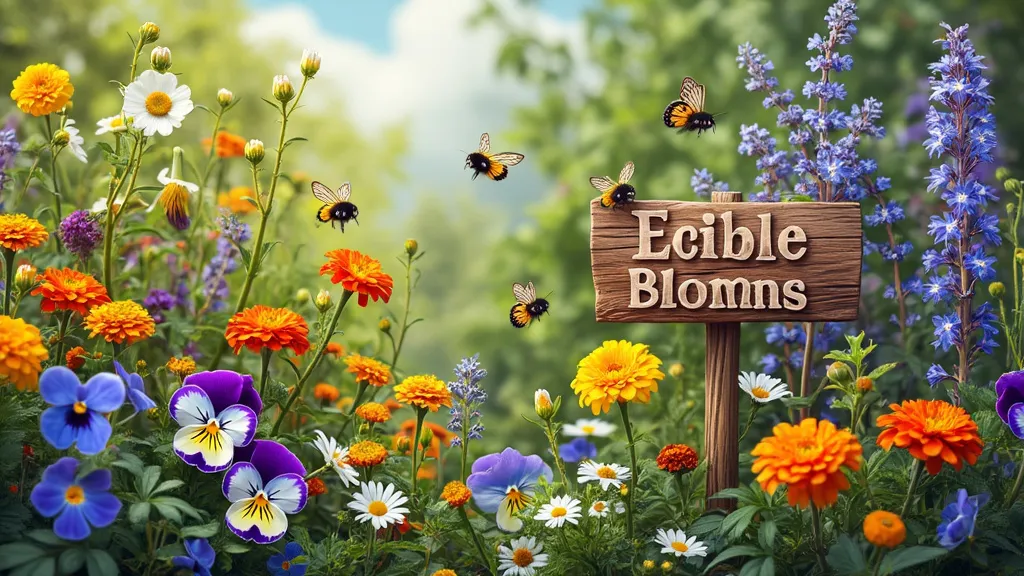
Intro to Edible Flowers
Growing edible flowers in your garden not only adds beauty and color but also enhances your culinary creations. These vibrant blooms can elevate your dishes, teas, and even cocktails with unique flavors and visual appeal. In this article, we will explore some popular edible flowers you can grow in your garden, their uses, and how to cultivate them successfully.
Benefits of Growing Edible Flowers
Before diving into the specifics of which flowers to grow, let's highlight some benefits of incorporating edible flowers into your garden:
- Aesthetic Appeal: Brighten up your garden and home with beautiful blooms.
- Culinary Diversity: Add unique flavors to your dishes, from sweet to spicy.
- Health Benefits: Many edible flowers are packed with vitamins and antioxidants.
- Pollinator Attraction: Attract bees and butterflies to your garden, promoting biodiversity.
Popular Edible Flowers to Grow
Here’s a list of some popular edible flowers along with their flavors, uses, and growing tips.
1. Nasturtiums
Flavor: Peppery, similar to arugula.
Uses: Salads, garnishes, and pesto.
Growing Tips:
- Sunlight: Full sun to partial shade.
- Soil: Well-drained, moderately fertile soil.
- Watering: Regular watering but avoid waterlogging.
- Harvesting: Pick flowers when fully open; both flowers and leaves are edible.
2. Calendula (Pot Marigold)
Flavor: Slightly spicy, with a hint of saffron.
Uses: Salads, soups, and herbal teas.
Growing Tips:
- Sunlight: Thrives in full sun.
- Soil: Well-drained soil; can tolerate poorer soils.
- Watering: Water regularly, especially during dry spells.
- Harvesting: Pick petals as needed; flowers can be used fresh or dried.
3. Borage
Flavor: Cucumber-like taste.
Uses: Salads, cocktails, and infused waters.
Growing Tips:
- Sunlight: Full sun to partial shade.
- Soil: Prefers well-drained, poor to moderately fertile soil.
- Watering: Drought tolerant; water only during prolonged dry spells.
- Harvesting: Pick flowers when open; great for freezing in ice cubes.
4. Violas and Pansies
Flavor: Mild and sweet.
Uses: Salads, desserts, and garnishes for drinks.
Growing Tips:
- Sunlight: Prefer partial shade, especially in hot climates.
- Soil: Well-drained, rich in organic matter.
- Watering: Keep soil moist but not soggy.
- Harvesting: Pick flowers when fully open; can be used fresh or crystallized.
5. Bee Balm (Monarda)
Flavor: Minty and slightly spicy.
Uses: Salads, teas, and as a spice for meats.
Growing Tips:
- Sunlight: Full sun to partial shade.
- Soil: Prefers moist, well-drained soil.
- Watering: Regular watering required; don’t let it dry out.
- Harvesting: Flowers and leaves can be harvested; best when in bloom.
6. Chive Blossoms
Flavor: Mild onion flavor.
Uses: Salads, dressings, and garnishes.
Growing Tips:
- Sunlight: Thrives in full sun.
- Soil: Well-drained, fertile soil.
- Watering: Regular watering; allow soil to dry slightly between waterings.
- Harvesting: Pick flowers when they are fully opened; both buds and blooms are edible.
Growing Conditions for Edible Flowers
When planning to grow edible flowers, consider the following growing conditions:
Soil
- Quality: Rich in organic matter, well-drained, and slightly acidic to neutral pH.
- Preparation: Amend the soil with compost to improve fertility.
Sunlight
- Most edible flowers prefer full sun (6-8 hours daily), while some enjoy partial shade.
Watering
- Regular watering is crucial, but be cautious of overwatering. Ensure good drainage to prevent root rot.
Fertilization
- Use a balanced fertilizer sparingly, as too much nitrogen can lead to more foliage than flowers.
Pest and Disease Management
Growing edible flowers can attract pests like aphids and spider mites. Here are some management strategies:
- Companion Planting: Plant flowers alongside vegetables to deter pests.
- Natural Predators: Encourage beneficial insects, such as ladybugs.
- Regular Monitoring: Check plants regularly for signs of pests and diseases.
Harvesting and Using Edible Flowers
Harvesting Tips
- Timing: Harvest flowers in the morning when they are most hydrated.
- Storage: Keep flowers in a cool place or refrigerate; use them fresh for the best flavor and appearance.
Culinary Uses
- Salads: Add a mix of colorful petals for visual appeal and flavor.
- Garnishes: Use flowers to decorate plates and drinks.
- Infusions: Make teas and flavored waters by steeping edible flowers.
To sum up
Incorporating edible flowers into your garden can be a rewarding experience, both for their beauty and for their culinary uses. From the peppery nasturtium to the sweet pansy, a variety of flavors can enhance your meals while attracting beneficial pollinators to your space. Start small by choosing a few varieties, and soon you'll find yourself inspired to explore the vast world of edible flowers. Happy gardening!