
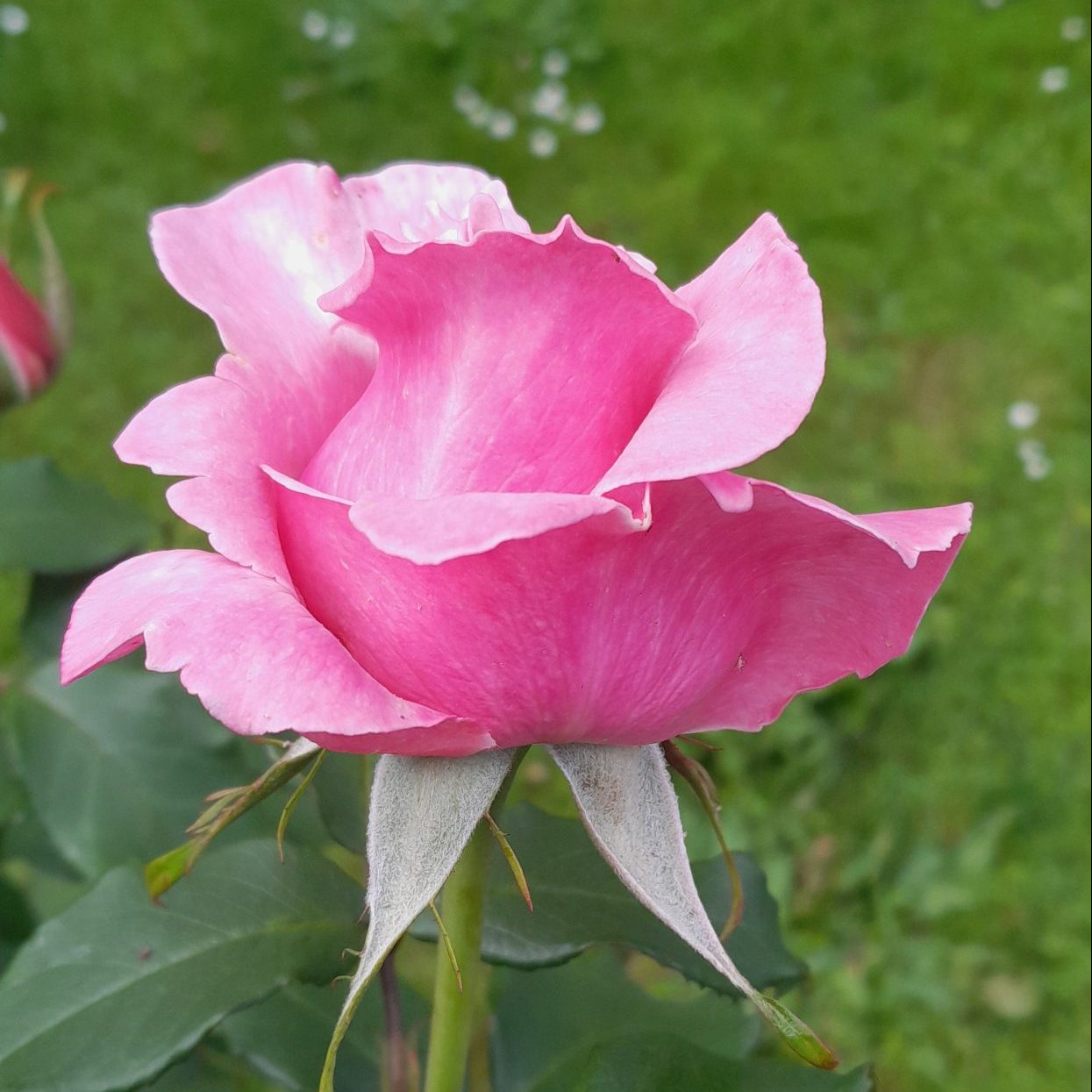
The history of roses is rich and spans thousands of years, reflecting their enduring significance in art, culture, medicine, and symbolism across many societies. Here’s a comprehensive look at their journey:
1. Ancient Origins
- Fossil Evidence: Roses have been around for at least 35 million years, with fossil discoveries of rose leaves found in North America. This makes roses one of the oldest flowering plants.
- Early Cultivation: Roses were first cultivated by the ancient Chinese around 5,000 years ago. Early writings from China, Greece, and Mesopotamia detail their cultivation and describe roses’ aesthetic, medicinal, and symbolic importance.
2. Roses in Ancient Civilizations
- Ancient Egypt: Egyptians associated roses with their deities, especially Isis, the goddess of motherhood, magic, and fertility. Roses were found in tombs and were thought to protect against evil and ensure a safe journey to the afterlife.
- Ancient Greece: Roses were strongly associated with love, beauty, and Aphrodite, the goddess of love. According to Greek mythology, roses grew from Aphrodite’s tears and her lover Adonis’s blood.
- Ancient Rome: Romans held roses in high regard, using them in religious ceremonies, celebrations, and decorations. Wealthy Romans cultivated extensive rose gardens, and the flower became a symbol of secrecy—giving rise to the term “sub rosa,” meaning “under the rose,” which implied confidentiality.
3. Roses in the Middle Ages
- Medicinal Use: During the Middle Ages, roses were cultivated for medicinal purposes, particularly by monks who grew them in monastery gardens. Rose water and rose oil became common in treating various ailments.
- Christian Symbolism: The rose became an important symbol in Christianity, often associated with the Virgin Mary. The red rose symbolized martyrdom, and the white rose represented purity.
- Heraldry and Wars: Roses gained political symbolism in the 15th-century English conflict, the Wars of the Roses, between the houses of Lancaster (represented by a red rose) and York (represented by a white rose).
4. The Renaissance and Enlightenment
- Art and Literature: Renaissance artists and writers, from Shakespeare to Botticelli, celebrated roses in their work. Roses were widely depicted in paintings, poems, and stories as symbols of love, beauty, and transience.
- Cultivation in Europe: Europeans became interested in breeding new varieties of roses, particularly during the 18th century when new species from China were introduced. These Chinese roses could bloom multiple times a year, unlike European varieties which bloomed once.
5. The Age of Exploration and Global Spread
- Chinese Influence: By the 18th and 19th centuries, European botanists and explorers brought back new rose species from China, sparking a revolution in rose cultivation and breeding in Europe. Hybrid roses, capable of reblooming, became popular.
- Victorian Era: Roses became associated with specific meanings and emotions during the Victorian era. “Floriography,” the language of flowers, emerged, allowing people to communicate discreetly through flowers. For instance, red roses symbolized love, white roses symbolized purity, and yellow roses indicated friendship.
6. Modern Rose Breeding and Varieties
- Hybrid Tea Roses: In 1867, the first hybrid tea rose, called ‘La France,’ was created in France, marking the beginning of the modern rose era. This variety combined the fragrance of old roses with the repeat-blooming qualities of Chinese roses.
- 20th Century Innovations: Rose breeding became highly specialized, and many new types were developed, including floribundas, grandifloras, and miniature roses. Roses adapted to a wide variety of climates became available, making roses a popular plant worldwide.
- The Peace Rose: Developed during WWII by French breeder Francis Meilland, the ‘Peace’ rose is one of the most famous roses in history. Named to celebrate the end of the war, it became a symbol of hope and was introduced to the United States in 1945.
7. Cultural Significance and Symbolism
- Symbol of Love and Beauty: Across cultures, roses symbolize love, passion, and beauty. They are widely used in celebrations, weddings, and ceremonies worldwide.
- Political and National Symbols: Roses are the national flower of countries like the United States, England, and Iran. They appear in heraldry, national emblems, and are also significant in religious iconography.
- Therapeutic Uses: Beyond beauty, roses have applications in skincare and aromatherapy. Rose oil and rose water, made from the petals, are used for their calming and hydrating properties.
8. Roses in Modern Times
- Commercial Value: Today, roses are one of the most commercially cultivated flowers worldwide, and they are central to a massive global industry.
- Genetic Research and Preservation: With advances in genetic research, scientists are exploring rose genetics to enhance fragrance, disease resistance, and climate resilience. Efforts are also being made to preserve heritage and heirloom roses, ensuring the diversity and history of roses continue for future generations.
Roses have evolved from ancient wildflowers to symbols of love, beauty, and resilience, and they continue to captivate people worldwide with their fragrance, variety, and deep-rooted cultural meanings.