
Intro
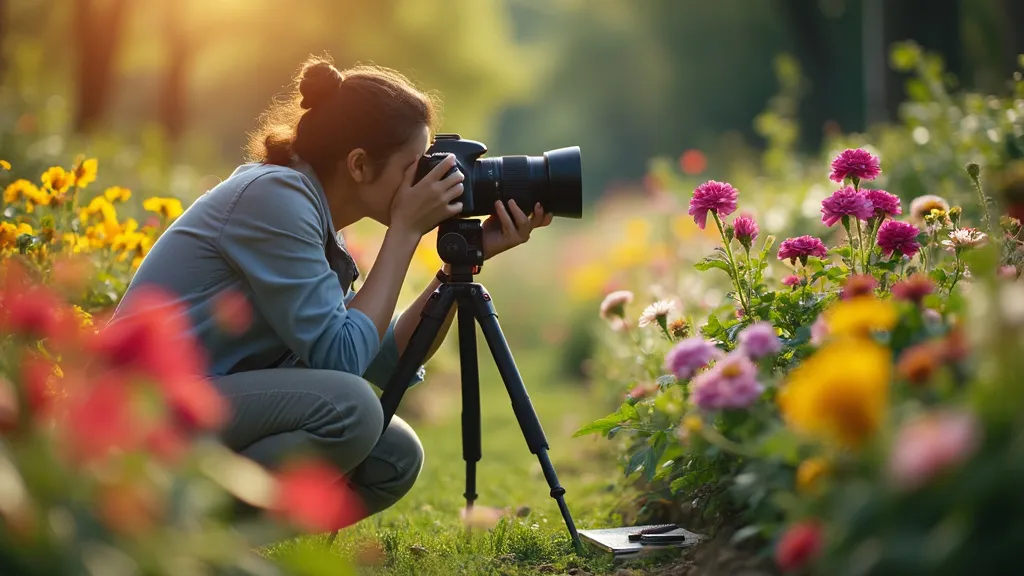
Photographing flowers can be an incredibly rewarding experience, offering a chance to capture the beauty of nature in a way that can evoke emotions and memories. Whether you’re an aspiring photographer or someone who simply enjoys taking pictures, mastering the art of floral photography can elevate your skills significantly. In this guide, we will explore various techniques, tips, and equipment that will help you photograph flowers like a pro.
Understanding Your Subject
Types of Flowers
Before clicking the shutter, it’s essential to understand the types of flowers you’ll be photographing. Each flower has unique characteristics that can influence your photography:
- Petals: Color, texture, and shape vary widely among different flowers.
- Stems: The thickness and height can affect the composition.
- Foliage: Leaves and stems can add depth and context to your images.
Natural Light vs. Artificial Light
Light plays a crucial role in photography. Flowers often look best in natural light:
- Golden Hour: The hour after sunrise and before sunset offers soft, warm light.
- Overcast Days: Cloudy skies diffuse sunlight, providing even lighting that reduces harsh shadows.
However, understanding how to use artificial light can also be beneficial:
- Flash: Can illuminate dark areas but should be used carefully to avoid harsh contrasts.
- Reflectors: Use them to bounce light onto your subject and fill in shadows.
Essential Gear for Flower Photography
While you can take beautiful flower photos with a smartphone, investing in some specific gear can enhance your results.
Camera Equipment
- DSLR or Mirrorless Camera: Offers flexibility and control over settings.
- Macro Lens: Ideal for capturing fine details and textures.
- Tripod: Stabilizes your camera for long exposures and close-ups.
- Filters: Polarizing filters can enhance colors and reduce glare.
Accessories
- Diffusers: Soften harsh light and create a more flattering image.
- Light Box: Great for indoor flower photography, allowing for controlled lighting conditions.
- Spray Bottle: Mist your flowers for a fresh look and added texture.
Composition Techniques
Good composition can significantly enhance your floral photography. Here are some techniques to consider:
Rule of Thirds
- Grid Method: Divide your frame into a 3×3 grid and place the flower at one of the intersection points.
- Balance: Helps create a more dynamic image, drawing the viewer's eye.
Leading Lines
- Natural Lines: Use paths, stems, or other elements to lead the viewer's eye toward the flower.
- Curves: Curved lines can add a sense of movement and flow.
Depth of Field
- Shallow Depth: Use a wide aperture (small f-number) to blur the background and make the flower stand out.
- Deep Depth: Use a narrower aperture to keep more of the scene in focus, which can be effective for grouping flowers.
Framing and Perspective
- Frame Within a Frame: Use surrounding elements (like leaves) to create a frame around your flower.
- Different Angles: Shoot from above, below, or at eye level to find the most captivating perspective.
Post-Processing Tips
Editing your floral photographs can turn a good image into a fantastic one. Here are some simple post-processing tips:
Software Options
- Adobe Lightroom: Great for adjusting exposure, contrast, and color balance.
- Adobe Photoshop: Offers advanced editing capabilities, including retouching and compositing.
Basic Edits to Consider
- Crop: Remove distractions and focus on your subject.
- Adjust Brightness and Contrast: Make your colors pop.
- Saturation and Vibrancy: Carefully enhance colors without making them look unnatural.
- Sharpening: Apply a slight sharpening effect to highlight details.
Common Mistakes to Avoid
Even experienced photographers can fall into traps. Here are common mistakes to watch out for:
- Ignoring Backgrounds: A cluttered background can distract from your subject.
- Overexposing Highlights: Bright flowers can lose detail if highlights are blown out.
- Not Experimenting: Sticking to one style can limit your creativity. Try different techniques and angles.
To sum up
Photographing flowers can be an enriching endeavor that allows you to express your creativity and connect with nature. By understanding your subject, utilizing the right gear, employing effective composition techniques, and embracing post-processing, you can elevate your floral photography to new heights. Remember, practice is key—don’t hesitate to experiment and explore the vibrant world of flowers through your lens. Happy shooting!