
Intro
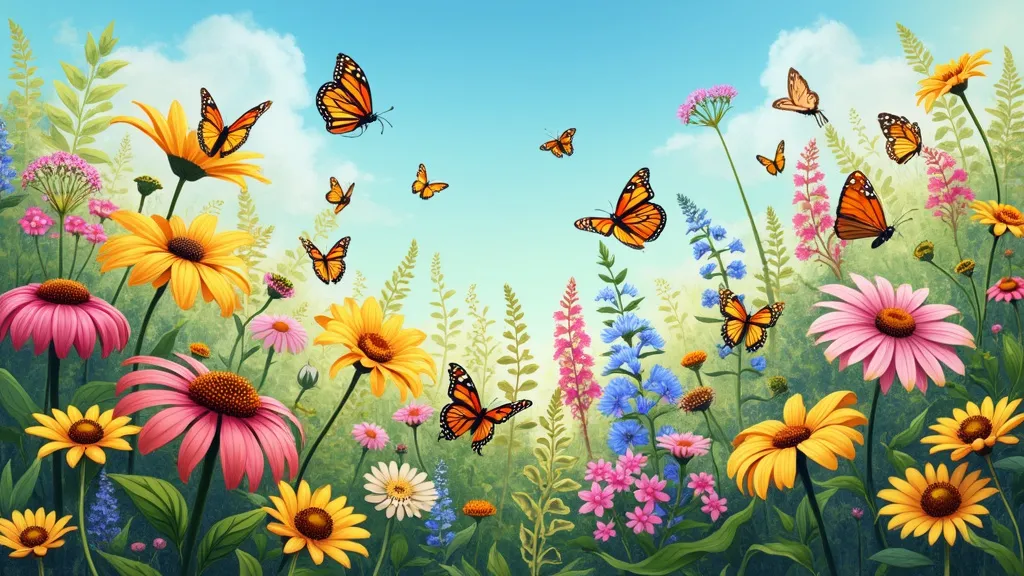
The delicate dance of butterflies and bees among flowers is one of nature's most captivating sights. These pollinators play a crucial role in our ecosystems, and by planting native flowers, we can create habitats that support their populations. This article delves into the beauty and benefits of native flowers that attract butterflies and bees, providing insights on how to cultivate a pollinator-friendly garden.
Why Native Flowers?
Native flowers are plants that have evolved in a specific region and are adapted to the local climate, soil, and wildlife. They offer several advantages:
- Adaptability: Native flowers are well-suited to local conditions, requiring less maintenance and fewer resources such as water and fertilizer.
- Support for Local Wildlife: Native plants provide food and habitats for local pollinators, birds, and other wildlife, fostering biodiversity.
- Pest Resistance: Native plants are often more resistant to local pests and diseases, reducing the need for chemical pesticides.
- Environmental Resilience: Native flowers can help improve soil health and prevent erosion, contributing to a more sustainable ecosystem.
Benefits of Attracting Butterflies and Bees
Pollinators like butterflies and bees are essential for the reproduction of many flowering plants and crops. Their presence offers numerous benefits, including:
- Increased Crop Yields: Many of the fruits, vegetables, and nuts we consume rely on pollination. A healthy population of bees and butterflies can enhance agricultural productivity.
- Biodiversity: Pollinators help maintain diverse plant communities, which are vital for ecosystem stability.
- Aesthetic Appeal: Butterflies and bees add beauty and liveliness to gardens, creating a vibrant and dynamic environment.
Top Native Flowers to Attract Butterflies and Bees
1. Echinacea (Coneflower)
- Description: Echinacea features large, daisy-like flowers with prominent central cones. They bloom from summer to fall.
- Pollinators Attracted: Bees and butterflies are particularly fond of Echinacea.
- Growing Conditions: Thrives in well-drained soil and full sun. Drought-tolerant once established.
2. Rudbeckia (Black-eyed Susan)
- Description: Recognizable by their bright yellow petals and dark brown centers, these flowers bloom from midsummer to fall.
- Pollinators Attracted: A magnet for bees and butterflies, especially the Eastern Tiger Swallowtail.
- Growing Conditions: Prefers a sunny spot with well-drained soil.
3. Asclepias (Milkweed)
- Description: Milkweed is crucial for monarch butterflies, featuring clusters of pink or orange flowers.
- Pollinators Attracted: Essential for monarchs, but also attracts bees and other butterflies.
- Growing Conditions: Thrives in poor, dry soil and full sun.
4. Lobelia (Cardinal Flower)
- Description: Known for its striking blue to red flowers, Lobelia blooms in late summer.
- Pollinators Attracted: Hummingbirds, bees, and butterflies are drawn to its tubular flowers.
- Growing Conditions: Prefers moist soil and partial shade, making it ideal for rain gardens.
5. Aquilegia (Columbine)
- Description: With its unique, spurred blooms in various colors, Columbine adds visual interest to any garden.
- Pollinators Attracted: Bees, hummingbirds, and butterflies are all attracted to its nectar.
- Growing Conditions: Grows well in partial shade to full sun, with moist, well-drained soil.
6. Monarda (Bee Balm)
- Description: Bee Balm has vibrant, tubular flowers that bloom in summer, often in shades of red, pink, or purple.
- Pollinators Attracted: A favorite among bees, butterflies, and hummingbirds.
- Growing Conditions: Prefers moist, well-drained soil and full sun to partial shade.
7. Zizia (Golden Alexander)
- Description: This lesser-known native plant features clusters of small yellow flowers, blooming in spring.
- Pollinators Attracted: Bees and butterflies are drawn to its nectar.
- Growing Conditions: Thrives in a variety of soil types, including clay, and prefers partial shade.
Designing a Pollinator-Friendly Garden
Creating a garden that attracts butterflies and bees involves thoughtful planning and design. Here are some tips:
1. Diversity is Key
- Plant a variety of native flowers that bloom at different times throughout the growing season to provide continuous food sources.
2. Group Plantings
- Plant flowers in clusters rather than single specimens to make it easier for pollinators to find them.
3. Consider the Sun
- Most pollinators prefer sunny spots, so ensure your garden receives ample sunlight.
4. Provide Water Sources
- Shallow dishes with pebbles or small rocks can provide safe drinking spots for pollinators.
5. Avoid Pesticides
- Use natural pest control methods to protect pollinators from harmful chemicals.
6. Create Shelter
- Incorporate natural elements like logs, brush piles, or native grasses to provide shelter for pollinators.
To sum up
By planting native flowers that attract butterflies and bees, we not only enhance our gardens' beauty but also contribute to the health of our ecosystems. These pollinators are essential for food production, biodiversity, and ecological balance. Embracing native gardening practices fosters a harmonious relationship with nature, ensuring that generations to come can continue to enjoy the vibrancy and vitality that butterflies and bees bring to our world. Whether you’re an experienced gardener or just starting, your efforts can make a significant impact in supporting these vital creatures.