
Intro
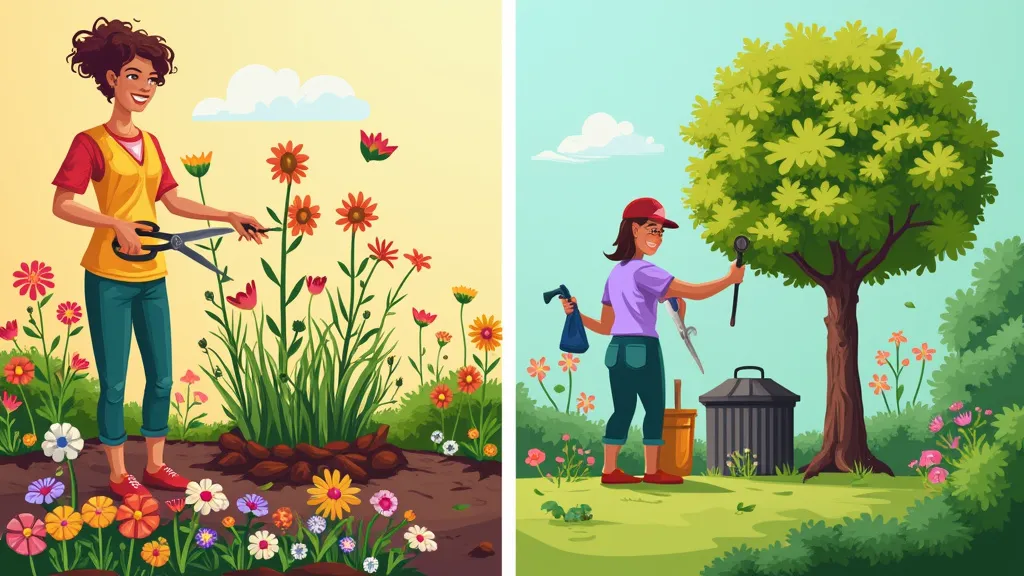
Gardening is not just about planting seeds and watching them grow; it involves a lot of care and maintenance to ensure that your plants thrive. Two essential techniques that every gardener should understand are deadheading and pruning. Both practices serve distinct purposes and can significantly enhance the health and aesthetic appeal of your garden. In this article, we will delve into what deadheading and pruning are, their benefits, and how to effectively implement these techniques in your gardening routine.
What is Deadheading?
Definition
Deadheading is the process of removing spent flowers from plants. This practice is primarily aimed at preventing plants from going to seed, thereby encouraging them to produce more blooms.
Why Deadhead?
- Promotes New Growth: By removing fading flowers, you encourage the plant to focus its energy on producing new blooms instead of seeds.
- Enhances Appearance: Deadheading keeps plants looking tidy and attractive by removing wilting or brown flowers.
- Improves Health: Regular deadheading can help reduce the chances of disease by preventing rotting flowers from attracting pests or pathogens.
How to Deadhead
Deadheading is a straightforward process, but it requires some attention to detail. Here’s how to effectively deadhead your plants:
- Identify Spent Flowers: Look for flowers that have wilted or turned brown.
- Use the Right Tools: Scissors, pruning shears, or even your fingers can be used. Ensure that your tools are clean to prevent disease transmission.
- Cut at the Right Spot: Make your cut just above the first set of healthy leaves or buds. This encourages new growth from the stem.
- Dispose of Debris: Always clean up the removed flowers to prevent pest attraction and disease spread.
When to Deadhead
- Annuals: Deadhead throughout the growing season to maximize blooms.
- Perennials: Deadhead after the first bloom cycle, and some can be left for winter interest or seed production.
- Roses: Deadhead regularly to encourage more flowers and improve the plant's overall health.
What is Pruning?
Definition
Pruning involves the selective removal of certain parts of a plant, such as branches, buds, or roots. It is a crucial practice for maintaining plant health, shaping growth, and promoting flowering or fruiting.
Why Prune?
- Encourages Healthy Growth: Pruning removes dead or diseased parts, allowing the plant to direct its energy toward healthy growth.
- Shapes Plants: It helps maintain the desired shape and size of the plant, making it more visually appealing.
- Increases Airflow: Pruning can prevent overcrowding in plants, which improves airflow and reduces the risk of fungal diseases.
- Stimulates Flowering & Fruiting: Certain plants respond to pruning with increased blooms or fruit production.
How to Prune
Pruning can be more complex than deadheading, and it varies significantly depending on the type of plant. Here’s a general guide:
- Choose the Right Time: Different plants have specific pruning times. Late winter or early spring is often best for many deciduous plants, while some flowering shrubs are best pruned after blooming.
- Use Sharp, Clean Tools: Just like with deadheading, ensuring that your tools are sharp and clean is essential for making precise cuts and preventing disease.
- Identify What to Remove:
- Dead or Diseased Wood: Always start by removing any dead or diseased parts.
- Crossing Branches: Remove branches that cross each other to prevent rubbing and damage.
- Overgrown Areas: Thin out areas that are too dense to improve airflow.
- Make Clean Cuts: Aim for a 45-degree angle cut just above a bud or node to encourage new growth.
Types of Pruning
- Thinning: Removes entire branches or stems to reduce density without altering the plant’s overall shape.
- Heading Back: Cuts back a portion of a stem to promote bushier growth and is often used for flowering shrubs.
- Pinching: A gentle method involving squeezing the tips of young stems to encourage branching.
Tools for Deadheading and Pruning
Having the right tools can make all the difference in your gardening experience. Here’s a list of essential tools for deadheading and pruning:
- Pruning Shears: Ideal for small branches and stems.
- Loppers: Useful for cutting thicker branches that shears cannot handle.
- Hedge Trimmers: For larger shrubs and hedges to maintain shape.
- Gloves: Protect your hands from thorns and sharp edges.
- Trowel: Handy for clearing away debris after deadheading or pruning.
To sum up
Understanding the techniques of deadheading and pruning is crucial for any gardener looking to keep their plants healthy and vibrant. These practices not only enhance the beauty of your garden but also contribute to the long-term vitality of your plants. By mastering these skills, you can enjoy a flourishing garden that continues to bloom season after season. So grab your tools, get outside, and start transforming your garden with these essential techniques!