
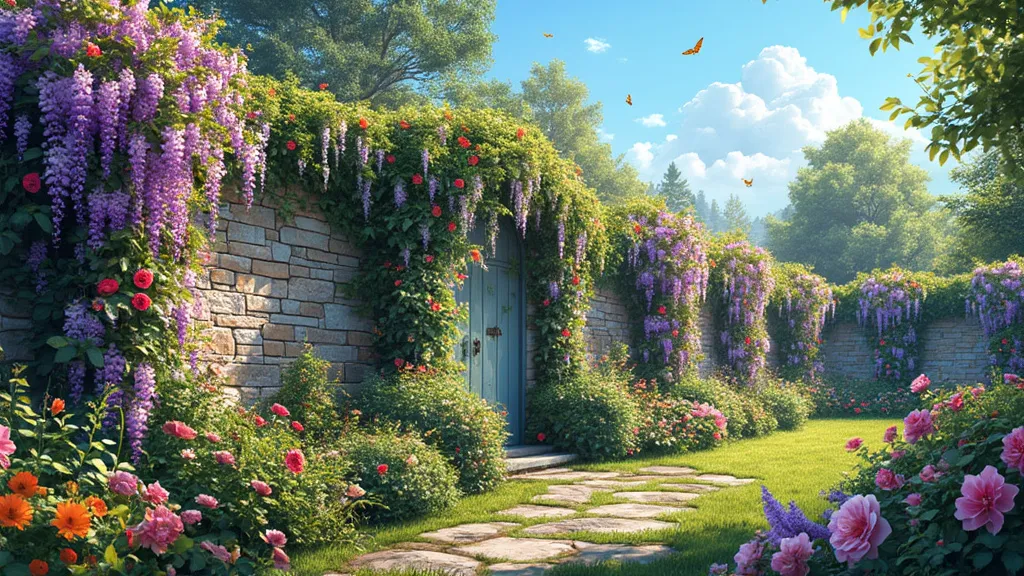
Intro to Climbing Flowers
Creating a visually stunning garden often involves incorporating various elements that add texture, color, and depth. One of the best ways to achieve this is through the use of climbing flowers. These versatile plants not only cover walls and fences but also add a sense of elegance and beauty to any landscape. In this article, we will explore different types of climbing flowers, their benefits, and tips for cultivating them effectively.
Why Choose Climbing Flowers?
Climbing flowers offer numerous advantages for your garden, including:
- Aesthetic Appeal: Climbing flowers can transform plain walls and fences into vibrant displays.
- Space-Saving: Perfect for small gardens, they utilize vertical space, allowing you to maximize your planting area.
- Privacy: Dense foliage can create a natural screen, providing privacy and seclusion.
- Attracting Wildlife: Many climbing flowers attract pollinators like bees and butterflies, enhancing the biodiversity of your garden.
Popular Climbing Flowers
Here are some of the most popular climbing flowers that can beautify your garden walls:
1. Clematis
- Varieties: There are over 300 species, ranging from large-flowered hybrids to smaller, delicate types.
- Flowering Season: Depending on the variety, clematis can bloom from late spring to fall.
- Growing Conditions: Prefers well-drained soil and full sun to partial shade.
2. Wisteria
- Characteristics: Known for its cascading clusters of fragrant flowers, wisteria can create a stunning focal point.
- Growing Conditions: Thrives in full sun and well-drained soil; it requires sturdy support due to its weight.
- Maintenance: Needs regular pruning to promote healthy growth and flowering.
3. Honeysuckle
- Attracts Pollinators: Its sweet scent and nectar-rich flowers draw in bees, butterflies, and hummingbirds.
- Varieties: Comes in both evergreen and deciduous types.
- Growing Conditions: Grows well in a variety of soils and prefers full sun.
4. Climbing Roses
- Beauty and Fragrance: Climbing roses produce gorgeous blooms and possess a lovely fragrance.
- Varieties: There are many types, including ramblers and hybrids.
- Growing Conditions: Require full sun and well-drained soil; regular pruning promotes healthy blooms.
5. Morning Glory
- Fast-Growing: Morning glories are easy to grow and can quickly cover structures.
- Flowering Season: Blooms from mid-summer to fall, adding vibrant colors to your garden.
- Care: Prefers full sun and well-drained soil; can be invasive, so monitor growth.
Tips for Growing Climbing Flowers
To successfully cultivate climbing flowers, consider the following tips:
1. Choose the Right Support
- Trellises: Ideal for lightweight climbers like clematis and morning glory.
- Arbors: Perfect for wisteria and climbing roses, providing a stunning entrance or path.
- Fences and Walls: Ensure they are sturdy enough to support the weight of the plants.
2. Soil Preparation
- Well-Drained Soil: Ensure the planting area has good drainage to prevent root rot.
- Nutrient-Rich: Amend the soil with organic matter to provide essential nutrients.
3. Planting Technique
- Depth: Plant climbing flowers at the same depth as they were in their pots.
- Spacing: Space plants according to their growth habits to avoid overcrowding.
4. Watering and Fertilizing
- Consistent Moisture: Keep the soil consistently moist, especially during the growing season.
- Fertilization: Use a balanced fertilizer during the growing season to encourage blooming.
5. Pruning
- Regular Maintenance: Prune climbing flowers to remove dead or damaged wood and encourage new growth.
- Timing: Prune at the appropriate time for each species to promote healthy blooms.
Seasonal Care
Spring
- Fertilize: Begin fertilizing as new growth appears.
- Prune: Remove dead wood and shape the plants as needed.
Summer
- Watering: Ensure consistent moisture during hot months.
- Pest Control: Monitor for pests and diseases, treating them promptly.
Fall
- Clean-Up: Remove any dead foliage to prevent disease.
- Mulching: Apply mulch to protect the roots during winter.
Winter
- Protection: In colder regions, consider wrapping the base of the plants to protect them from frost.
Creating a Stunning Display
To maximize the beauty of your climbing flowers, consider the following design tips:
- Color Coordination: Choose climbing flowers that complement the colors of your home and other garden plants.
- Layering: Combine different heights and types of climbing flowers for a multi-dimensional effect.
- Seasonal Interest: Select a mix of early and late bloomers to ensure color throughout the growing season.
To sum up
Climbing flowers are an excellent addition to any garden, offering beauty, privacy, and a habitat for wildlife. By choosing the right varieties and providing proper care, you can create stunning displays that enhance the overall landscape of your home. Whether you have a small courtyard or a sprawling garden, these flowers can elevate your outdoor space, making it a serene and picturesque retreat. Embrace the beauty of climbing flowers and watch your garden walls come alive with color and fragrance!